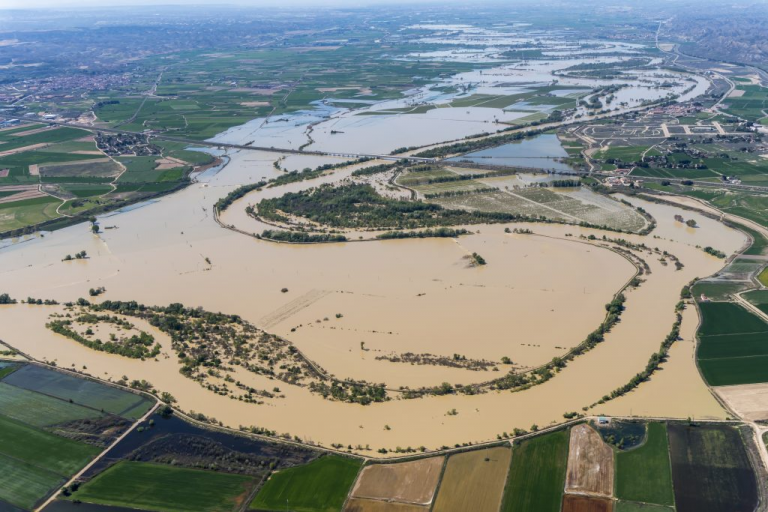
The Ebro Resilience Strategy has experienced a year of consolidation and tangible progress in 2025, demonstrating the effectiveness of inter-administrative collaboration to manage flood risk in the middle stretch of the Ebro, with a commitment to public participation in the definition and implementation of actions.
The mission is to promote actions that reduce the impact of floods in the sections at greatest risk, while simultaneously improving the state of the bodies of water and river habitats. The future vision seeks that economic activities and population centers coexist with an Ebro in a good state of conservation, avoiding significant damage due to unavoidable floods.
The Ebro Resilience Strategy is a framework for collaboration between the Ministry for Ecological Transition and the Demographic Challenge, the Ebro Hydrographic Confederation and the governments of La Rioja, Navarre and Aragon, as well as other stakeholders, to work in solidarity and coordination in flood risk management in the middle stretch of the Ebro, forming a subprogram of the Flood Risk Management Plan (PGRI) of the Ebro Hydrographic Demarcation.
Also integrated in the Strategy is the LIFE Ebro Resilience P1 Project, which, through the financial instrument of the European Commission’s LIFE Program, has also made significant progress in the Alfaro (La Rioja) – Castejón (Navarra) and Osera de Ebro – Fuentes de Ebro (Zaragoza) intervention sections.
Flood risk adaptation grants
A fundamental pillar of the Strategy is the active involvement of the Autonomous Communities and in 2025 they have been very present through the call for important lines of aid through NextGeneration funds of the European Union that are integrated in the Recovery, Transformation and Resilience Plan.
- The Government of La Rioja announced the second call for aid, with an economic allocation of 1,015,244 euros, financed through Next Generation funds. The eligible measures were aimed at the acquisition and installation of equipment, environmental recovery works, actions in agricultural and livestock farms, and protection and adaptation of buildings and facilities in 18 riverside municipalities.
- The Government of Navarra organized information sessions in June to present its third call for subsidies, aimed at adaptation to flood risk in the middle stretch of the Ebro and its main tributaries. This call, which opened in July, amounted to 306,323 euros, extendable by a further 150,000 euros, for individuals, legal entities, private entities and communities of owners for adaptation. The two previous campaigns (2023 and 2024) already benefited 73 individuals or legal entities with 804,590 euros.
- For its part, the Government of Aragon, through the Aragonese Water Institute (IAA), opened a new call for grants on November 25, 2025, aimed at local entities in Aragon with a total budget of 600,000 €. The call contemplates two main lines: Drafting and approval of municipal action plans ( up to €6,000 per municipality, 100% funded) and Preventive actions of danger in municipal land (up to €50,000 per application, 80% funded). The IAA has a consolidated track record, having previously managed 8 calls for proposals that benefited 119 Aragonese municipalities.
Restoration and Adaptation
The Strategy has made significant progress in the execution of works designed to protect urban centers and recover river space:
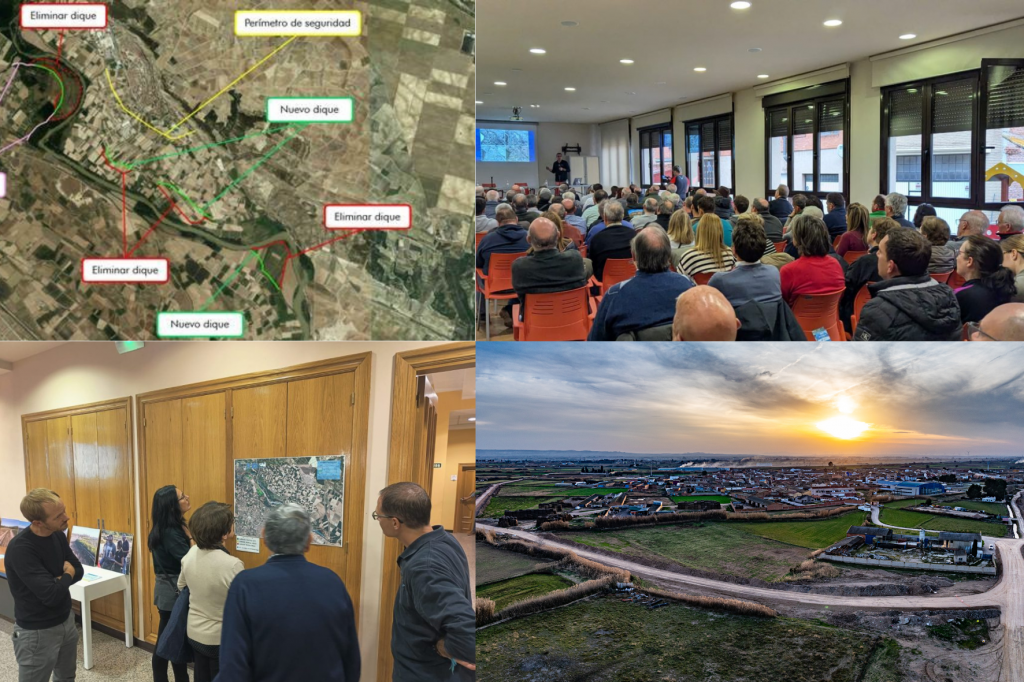
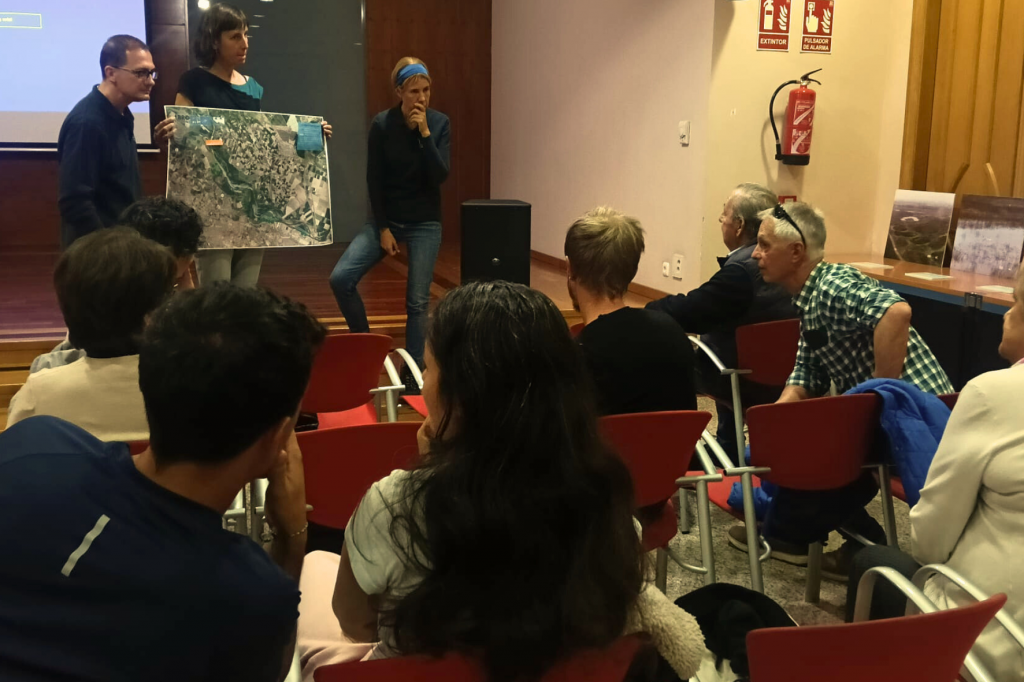
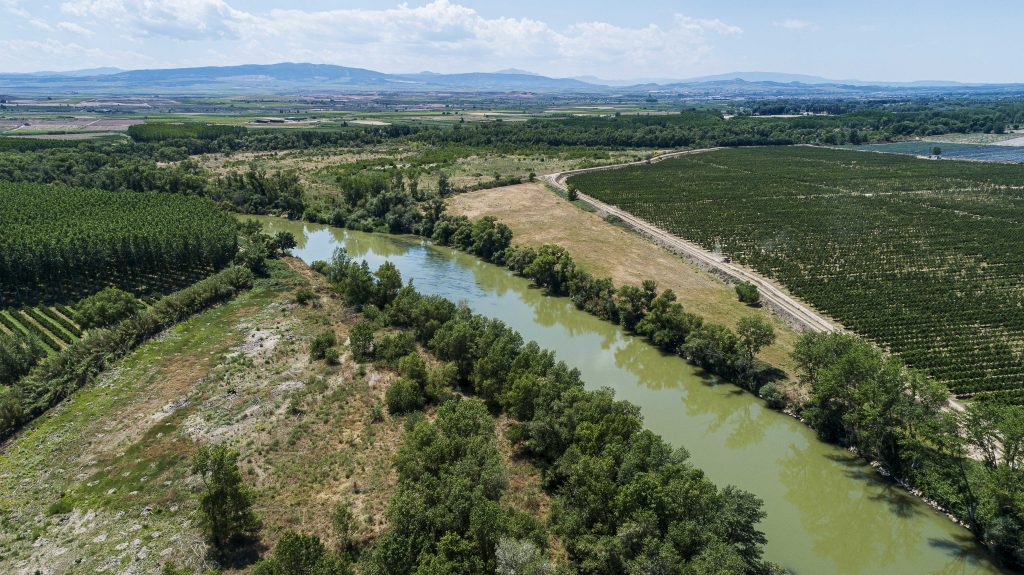
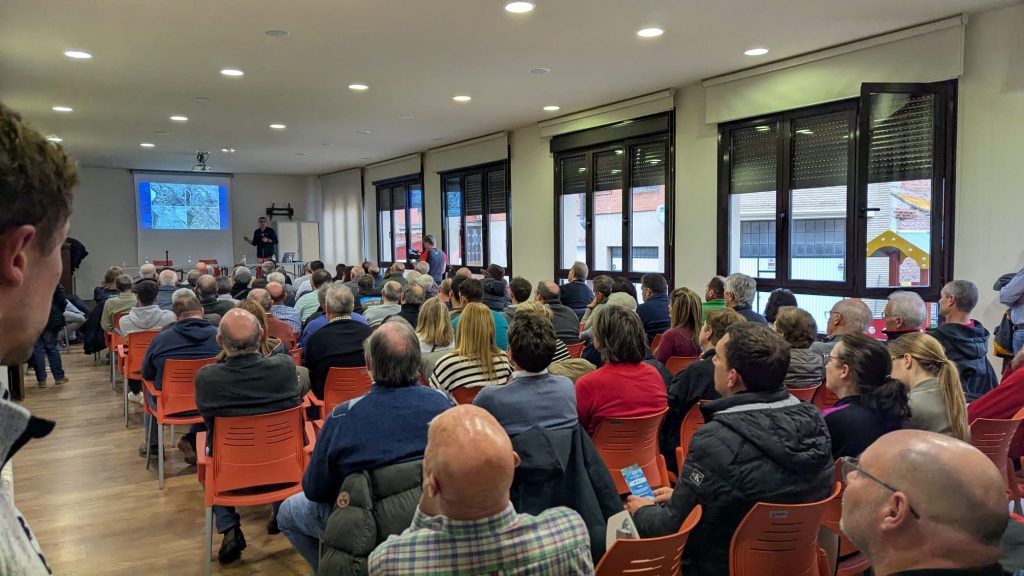
- Positive Results in the Milagro-Alfaro Section: a public meeting held in Alfaro in October 2025 confirmed that the interventions executed in the so-called “Combined Actions Section” (Milagro-Alfaro) are meeting their objectives. After the comparative technical analysis with the flood episode of February 2024, it was concluded that the expected benefits in flood risk reduction have been achieved or exceeded in the section as a whole. In this area, the recovery of close to 100 hectares as river space has been highlighted.
- Actions in Milagro (Navarra): the Ebro Hydrographic Confederation (CHE) has concluded this year the processing of Phase 2 of the project in “El Ortigoso” (Milagro), which will start in the first quarter of 2026 to correct the narrowing of the riverbed and increase its drainage capacity. This phase, which is in addition to the intervention carried out to recover 6.4 hectares as river space, includes the removal of a 1,838-meter defense dike and the construction of a new 1,098-meter recessed defense, thus increasing the river’s mobility space.
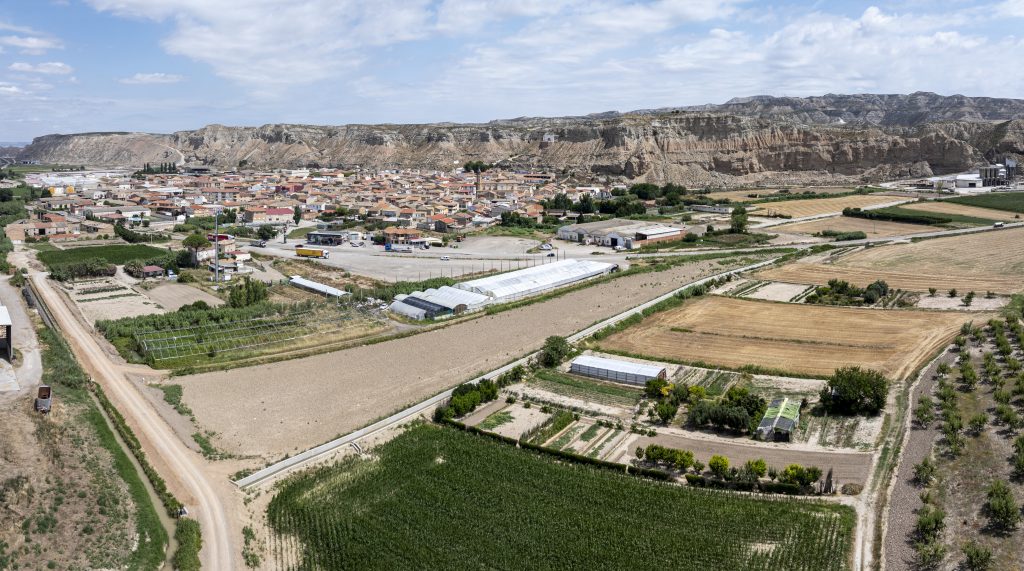
- Interventions in Aragón: The Government of Aragón has completed the execution of Sections 7 (Alcalá de Ebro-Remolinos-Luceni) and 9 (Torres de Berrellén-Sobradiel) in the province of Zaragoza, through the intervention of the Aragonese Water Institute. With a total budget of 4.6 million euros, the actions are focused on the elimination of old defenses and the construction of new safety dikes and restoration measures. These interventions seek to increase the protection of urban centers against 25-year return period floods.
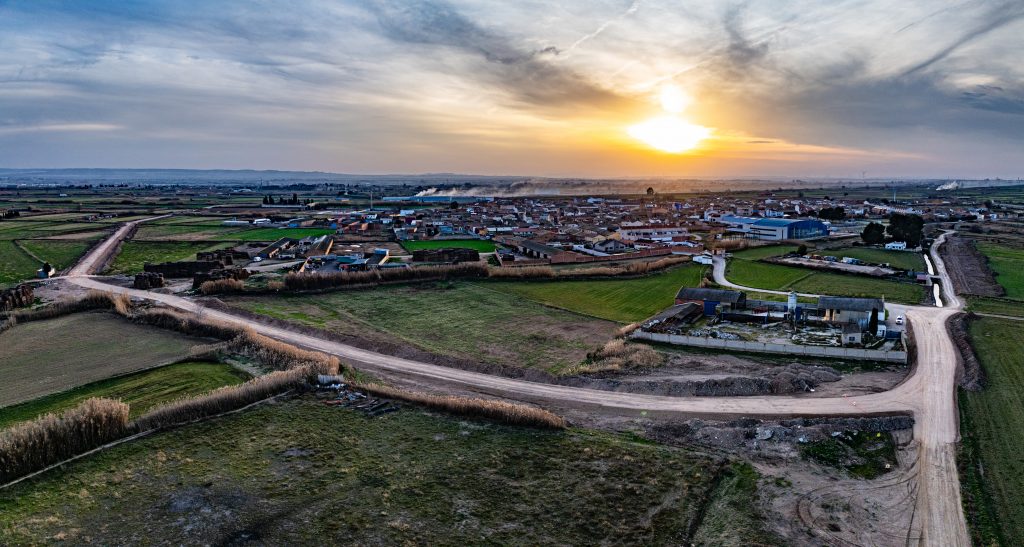
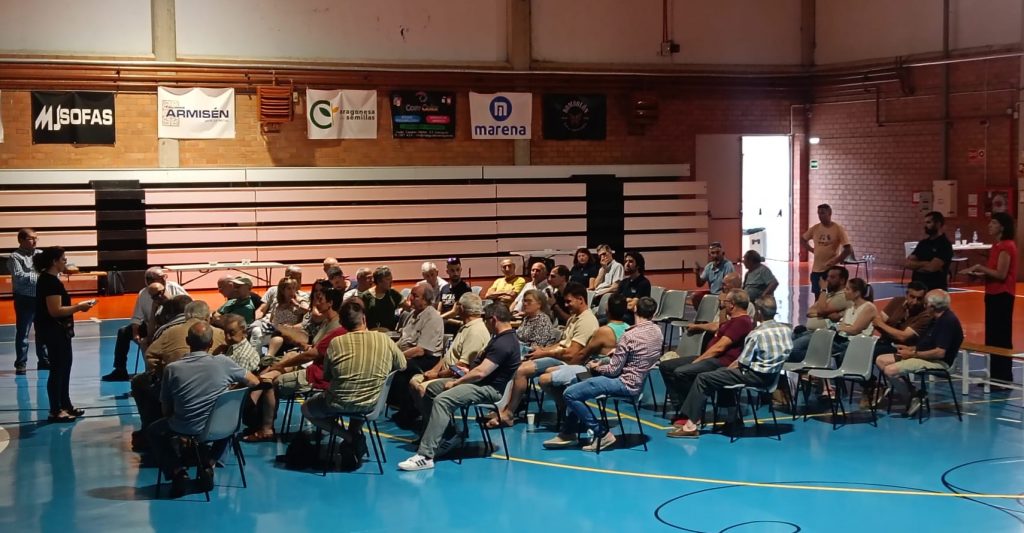
- New studies and promotion of participation: the Strategy continues to advance in the phase of studies and deliberative workshops with the population. During 2025, alternative actions have been presented to reduce the risk of flooding in key sections such as Azagra (Navarra) (Section 3B) and the Utebo-Zaragoza Section (Section 10), fulfilling the objective of protecting urban areas from floods with a 25-year return period.
LIFE Ebro Resilience P1
The LIFE Ebro Resilience P1 Project, which operates between 2021 and 2027 with a budget of 13,310,350 €, is also part of the Ebro Resilience Strategy and has experienced a year of crucial progress in its infrastructure and participation interventions. In 2025, the environmental restoration of the meander of La Roza (Alfaro, La Rioja) and the recovery of old river branches in Soto de Alfaro stood out. In addition, the implementation of the Lateral Flow Buffer Zones (LFZ) began in the Osera de Ebro – Fuentes de Ebro section, one of the most innovative proposals of the project. The project was recognized for its approach to flood risk management by being awarded the GREEN LIGHT Award in its WATER category.
More information on the progress in 2025 of the LIFE Ebro Resilience P1 Project.

