
Lessons Learned for Adapting to Flood Risk in Austrian RiversLessons Learned for Adapting to Flood Risk in Austrian RiversLessons Learned for Adapting to Flood Risk in Austrian RiversLessons Learned for Adapting to Flood Risk in Austrian Rivers
  • STRATEGY
    • Background
    • The Strategy
    • Lines of action
    • Entities
  • JOIN US!
    • Informative Days
    • Participatory Workshops
    • Participation and LIFE capabilities
  • PROGRESS MADE
  • PROYECT LIFE P1
    • The project
    • Objetives
    • Progress LIFE Ebro Resilience P1
    • Actions
    • Newsletters and information resources
    • Documents and materials
    • Beneficiaries
    • LIFE Programme
  • NEWS
  • CONTACT
  • Tramo 7
    • Ebro en Alcalá de Ebro y Remolinos
  • Tramo 8
    • Ebro en Cabañas de Ebro
  • Tramo 9
    • Ebro en Torres de Berrellén y Sobradiel
  • Tramo 12
    • Ebro en Osera de Ebro y Fuentes de Ebro
  • Tramo 14
    • Ebro en el Burgo de Ebro
English
  • Spanish
Search
Generic filters
Exact matches only
  • Inicio
  • Life
  • Lessons Learned for Adapting to Flood Risk in Austrian Rivers

Lessons Learned for Adapting to Flood Risk in Austrian Rivers

2 October, 2026
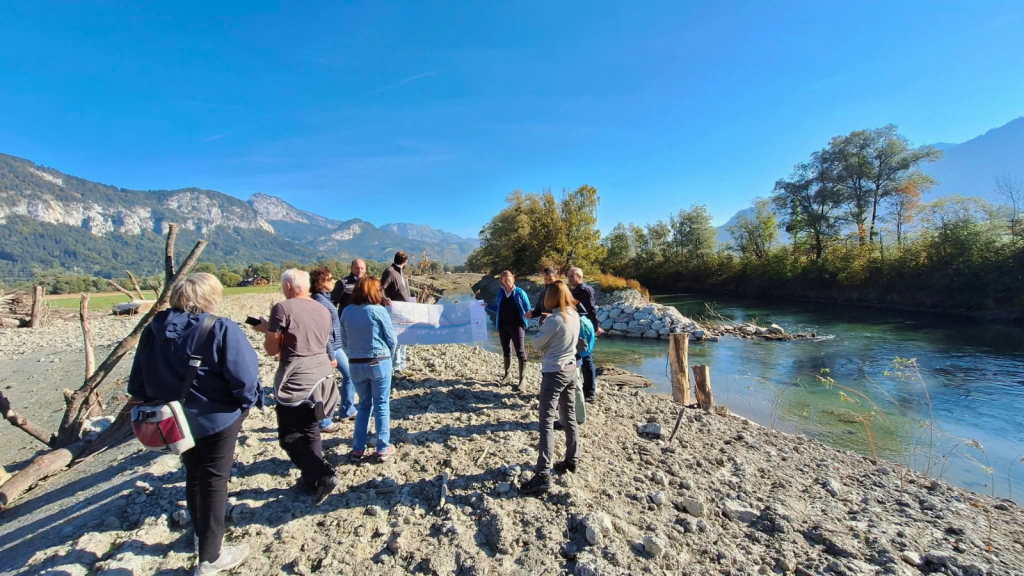
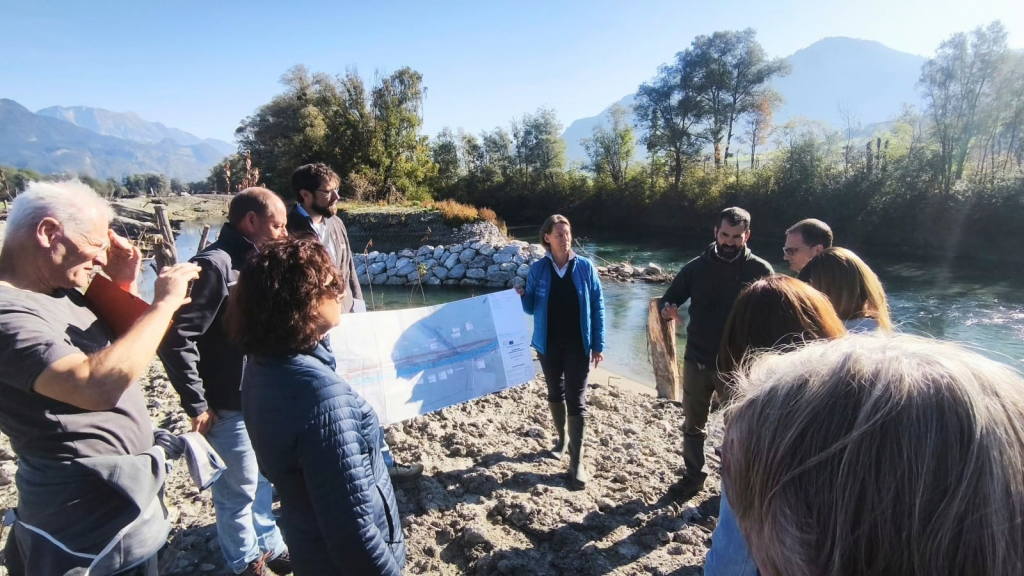
LIFE Ebro Resilience P1 Meeting - LIFE IP Iris: Explanations Regarding the Interventions on the Enns River.

LIFE Ebro Resilience P1 Meeting - LIFE IP Iris: Explanations Regarding the Interventions on the Enns River.

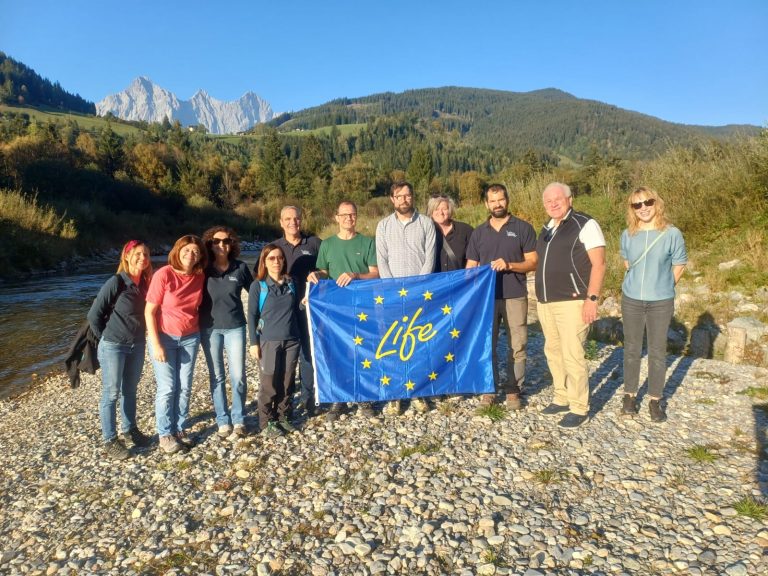
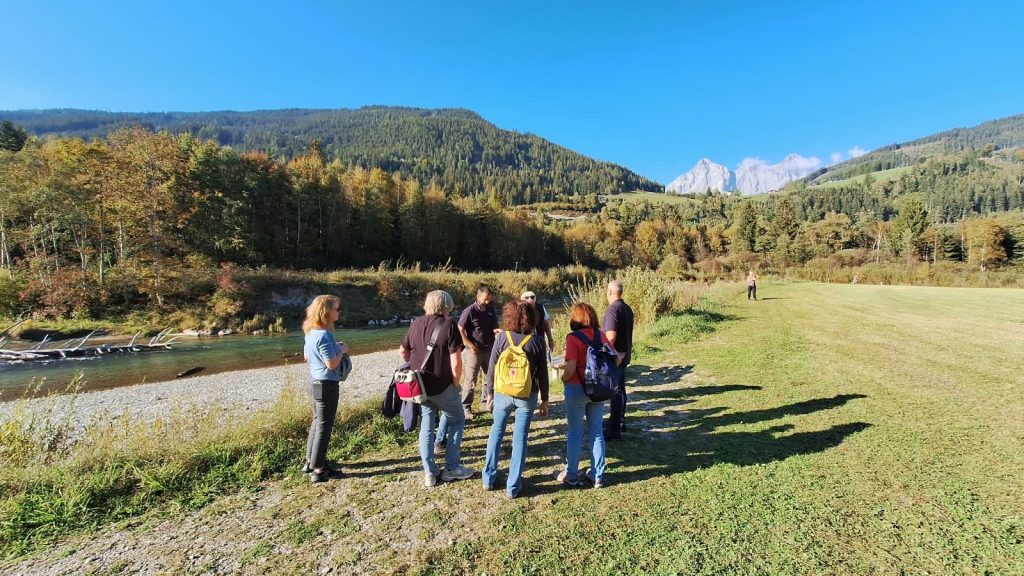
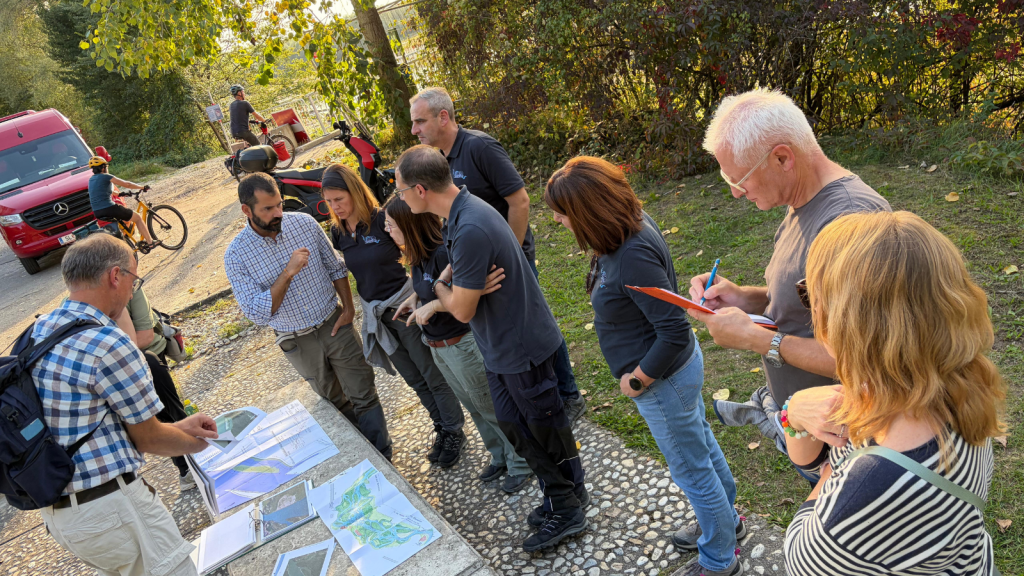
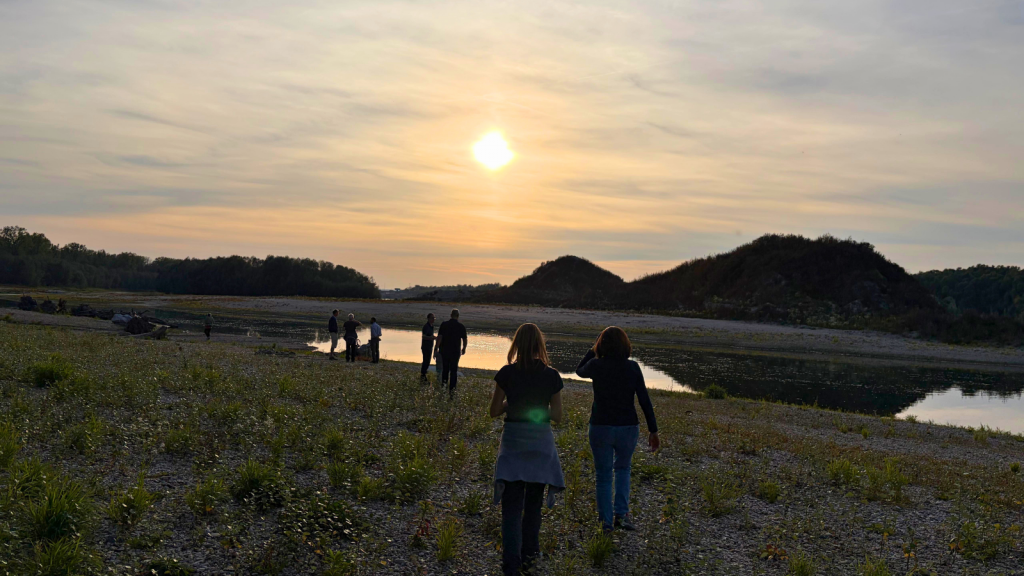
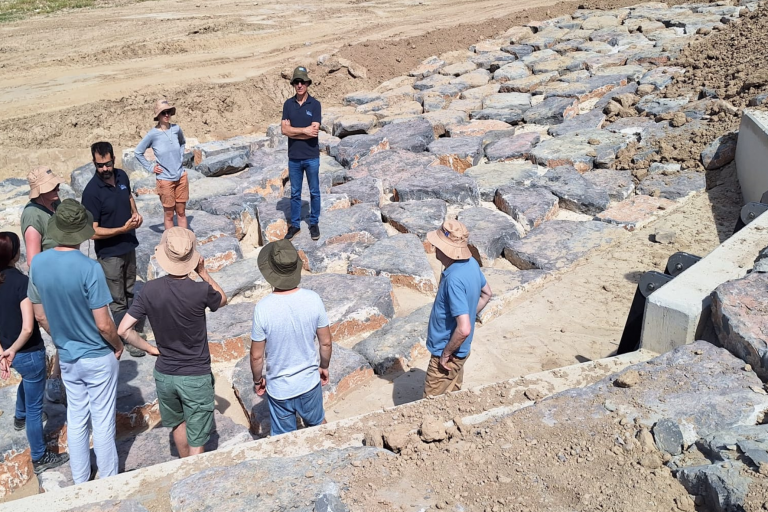
A team made up of technical experts from the partners of the LIFE Ebro Resilience P1 project—the Government of La Rioja, OREKAN-Environmental Management of Navarre, the Aragonese Water Institute, the Ebro River Basin Authority, and the TRAGSA Group— has made a working visit to Austria to observe firsthand the activities of the LIFE IP IRIS project, which focuses on river restoration and improving flood protection in several river basins across the country.

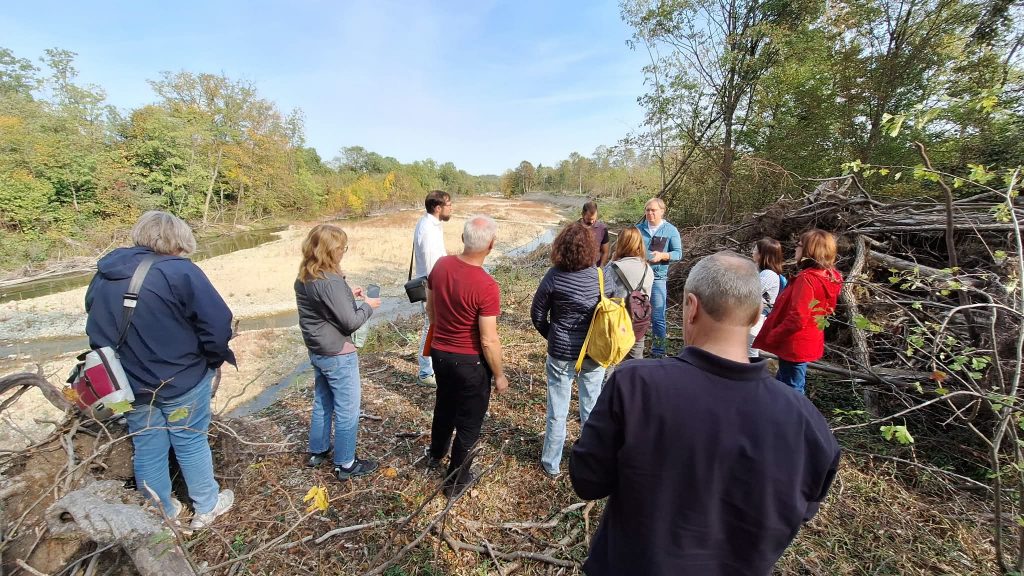
The Spanish delegation visited four project sites of the IRIS project, all of which are associated with rivers and located in different regions of Austria:

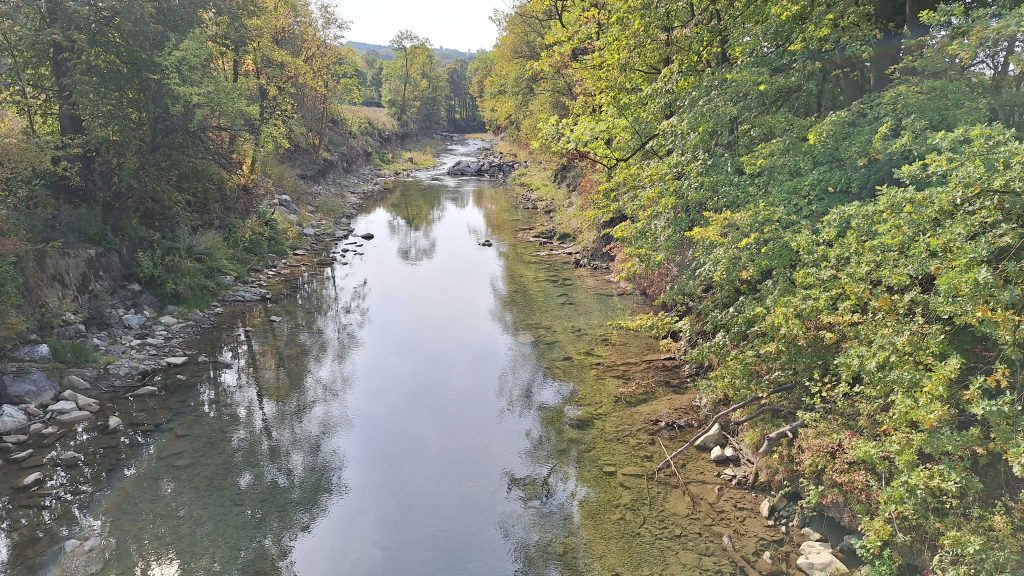
  • The Enns River in Mandling (municipality of Schladming, Styria) and the Enns River in Stainach (Styria), featuring renaturalization and flood protection measures.
  • The Danube River in Marktau (Upper Austria), where a secondary branch of the river has been reopened to expand the riverine habitat.
  • The Pielach River in Obergrafendorf (Lower Austria). In this section near where it flows into the Danube, efforts are underway to widen the river channel.
Meeting of the Technical Teams for LIFE Ebro Resilience P1 and LIFE IP IRIS
Encuentro LIFE Ebro Resilience P1 - LIFE IP Iris explicaciones sobre las intervenciones en el río Enns.
Visit by the LIFE Ebro Resilience P1 technical group to the LIFE IRIS project activities
Visit by the LIFE Ebro Resilience P1 technical group to the LIFE IRIS project sites
LIFE Ebro Resilience P1 and LIFE IP IRIS Meeting. Visit to the Danube in Ottensheim.
Encuentro LIFE Ebro Resilience P1 y LIFE IP IRIS. Visita al río Pielach.

In these areas, IRIS is implementing measures aimed at restoring space to rivers, improving their habitats, and reducing the effects of flooding—lines of work it shares with LIFE Ebro Resilience P1. In addition, the Austrian project aims to make rivers more resilient to extreme events such as droughts, heat waves, and low water flows.

Their work is based on the GE-RM approach, a planning model that coordinates all the agencies involved in a watershed—environment, water, agriculture, land use planning, energy, and municipalities—so that decisions regarding rivers are made jointly, coherently, and with a long-term vision. In practice, this means planning for the river as a complete system: where it can reclaim space, where protection needs to be strengthened, which habitats should be restored, and how all of this can be reconciled with land uses.

This visit continues the cooperation that began in May, when the team from the Austrian LIFE IRIS project traveled to Spain to learn about the actions of LIFE Ebro Resilience P1 in the middle section of the Ebro.

IRIS Austria project visit to Lateral Flow Buffer Zones
IRIS Project Visit to the Lateral Flow Buffer Zones Last May

They were then able to visit the Lateral Flow Buffer Zones (ZAFL), a pilot project linking floodplains in an area of intensive agriculture being implemented along the Osera de Ebro–Fuentes de Ebro section (Zaragoza). They also learned about the initiatives in the Combined Action Section between Alfaro (La Rioja) and Castejón (Navarra), a series of natural water retention measures designed to adapt the section to flood risk, thereby reducing the impacts (restoration of riverine space, creation of relief channels, or reopening of former river branches).

The exchange between the two projects allows for comparing methodologies, sharing lessons learned, and strengthening coordination among European administrations working on common challenges: rivers that are safer, more vibrant, and better prepared for an increasingly extreme climate. Both IRIS and Ebro Resilience share a central goal: to move toward river management that combines flood protection, ecological restoration, and improved territorial resilience.

LIFE Program

The LIFE Ebro Resilience P1 Project, which receives financial support from the European Commission’s LIFE Program, is an innovative initiative to address the issue of flooding in the middle reaches of the Ebro River, with a clear objective: to ensure that the population and economic activities coexist with an Ebro River in a good state of conservation, while reducing the damage associated with floods that are part of the river’s natural dynamics.

The project is led by the Ministry for Ecological Transition and the Demographic Challenge (MITECO), through the Ebro River Basin Authority (CHE), in collaboration with the public companies TRAGSA and TRAGSATEC, the Government of La Rioja, the Government of Navarre, through Orekan-Gestión Ambiental de Navarra, the Government of Aragon, and the Aragonese Water Institute.


  • Ministerio de Transición Ecológica - Dirección General del Agua - Confederación Hidrográfica del Ebro
  • Gobierno de Aragón
  • Instituto   
  • Gobierno de La Rioja
  • Gobierno de Navarra y Gestión Ambiental de Navarra
  • Tragsa
  • Tragsatec
    The contents are the sole responsibility of the LIFE EBRO RESILIENCE P1 PROJECT and do not necessarily reflect the position of CINEA, nor is this Agency responsible for any use that may be made of the information included herein.
    English
    • English
    • Spanish
      Gestionar consentimiento
      Para ofrecer las mejores experiencias, utilizamos tecnologías como las cookies para almacenar y/o acceder a la información del dispositivo. El consentimiento de estas tecnologías nos permitirá procesar datos como el comportamiento de navegación o las identificaciones únicas en este sitio. No consentir o retirar el consentimiento, puede afectar negativamente a ciertas características y funciones.
      Funcional Always active
      El almacenamiento o acceso técnico es estrictamente necesario para el propósito legítimo de permitir el uso de un servicio específico explícitamente solicitado por el abonado o usuario, o con el único propósito de llevar a cabo la transmisión de una comunicación a través de una red de comunicaciones electrónicas.
      Preferencias
      El almacenamiento o acceso técnico es necesario para la finalidad legítima de almacenar preferencias no solicitadas por el abonado o usuario.
      Estadísticas
      El almacenamiento o acceso técnico que es utilizado exclusivamente con fines estadísticos. El almacenamiento o acceso técnico que se utiliza exclusivamente con fines estadísticos anónimos. Sin un requerimiento, el cumplimiento voluntario por parte de tu proveedor de servicios de Internet, o los registros adicionales de un tercero, la información almacenada o recuperada sólo para este propósito no se puede utilizar para identificarte.
      Marketing
      El almacenamiento o acceso técnico es necesario para crear perfiles de usuario para enviar publicidad, o para rastrear al usuario en una web o en varias web con fines de marketing similares.
      • Manage options
      • Manage services
      • Manage {vendor_count} vendors
      • Read more about these purposes
      Ver preferencias
      • {title}
      • {title}
      • {title}
      • English
      • Español (Spanish)