

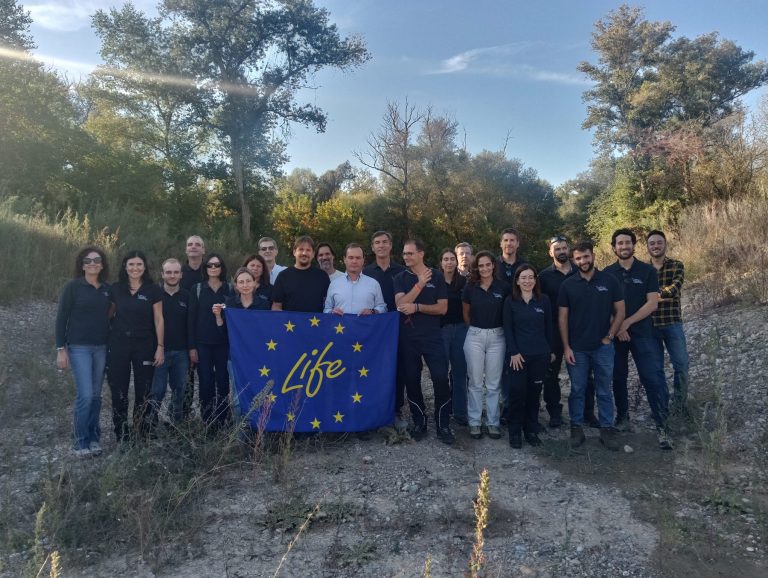
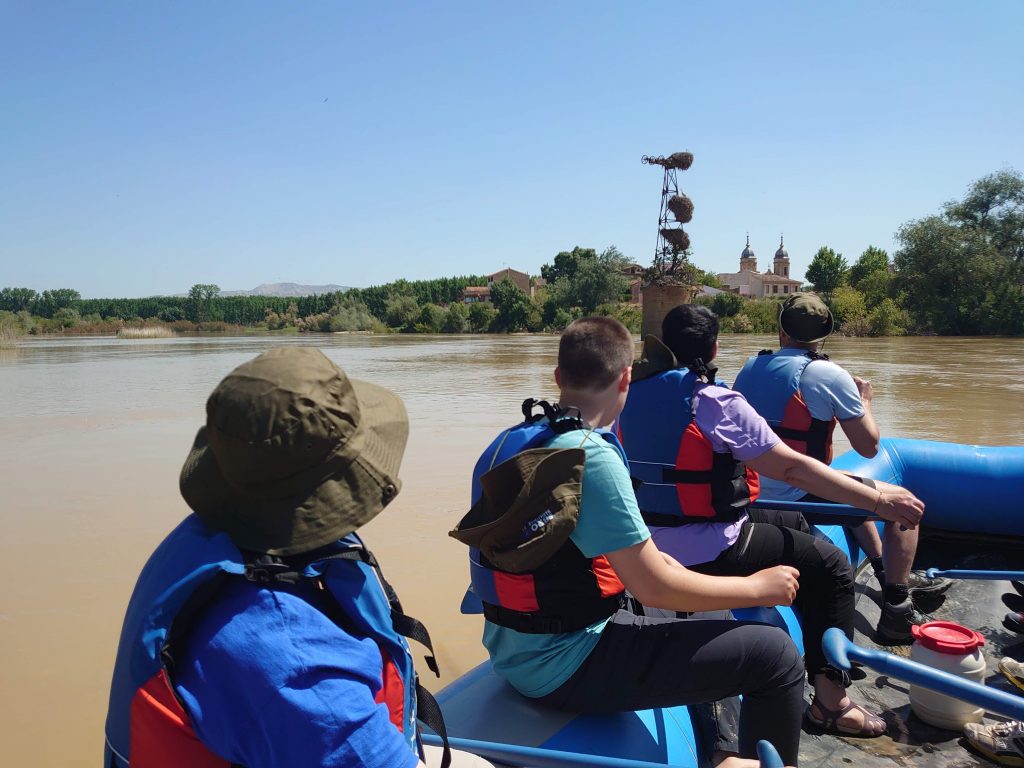
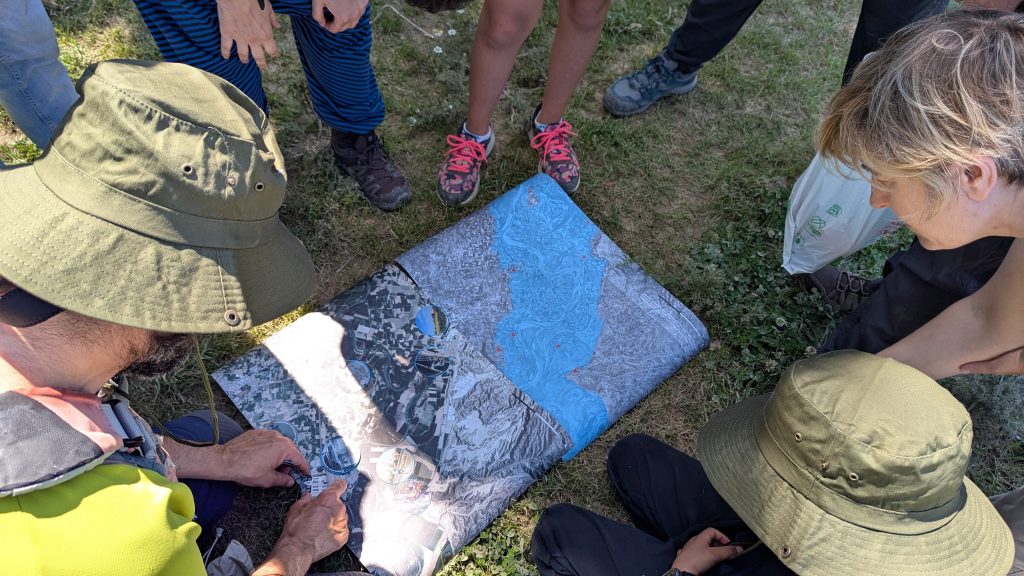
The LIFE Ebro Resilience P1 project has experienced a year of crucial progress in its interventions and consolidation of participation and social capacity building actions, showing the key to coexistence with an Ebro that recovers part of its dynamics.
During 2025, the project has achieved major milestones in river restoration and risk mitigation works in its two main intervention zones:
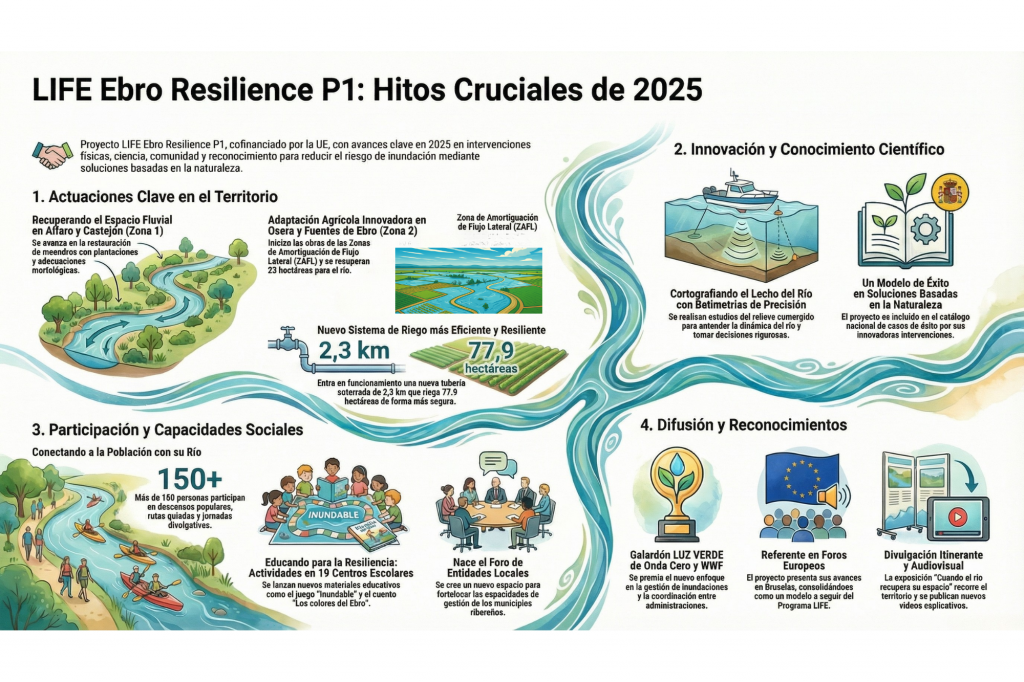
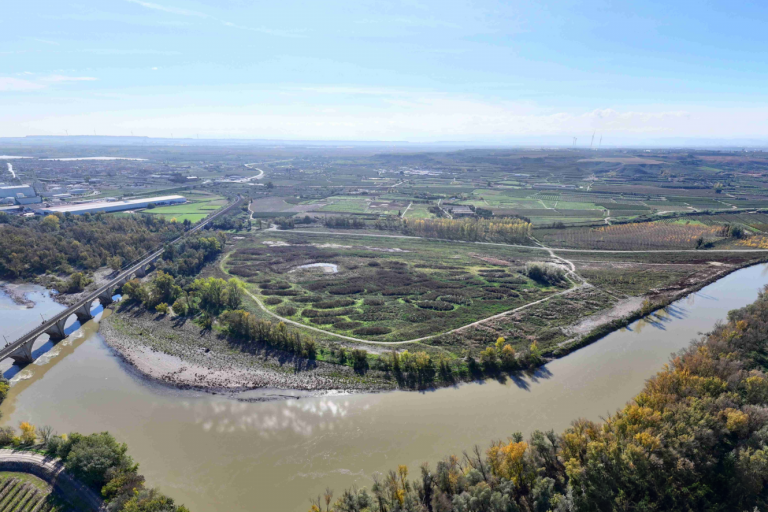
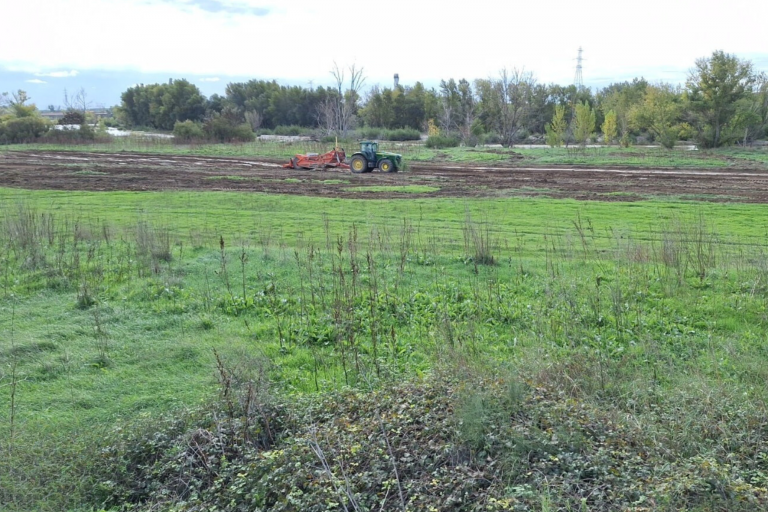
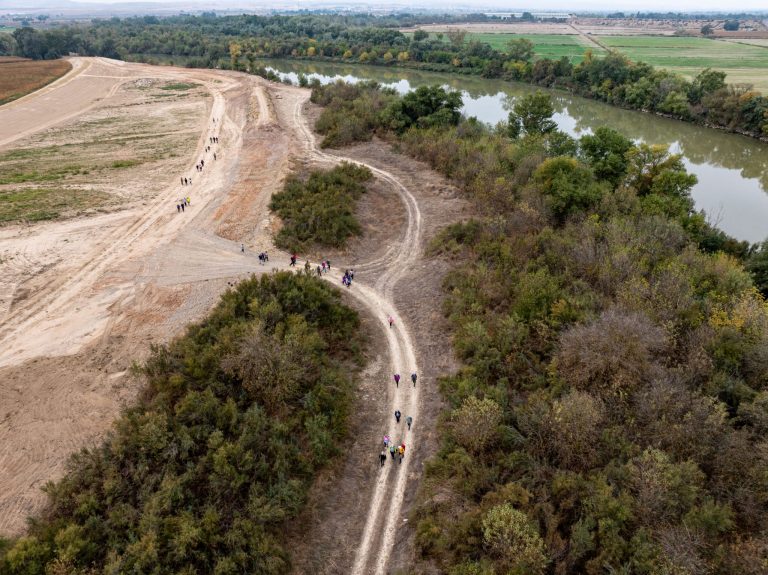
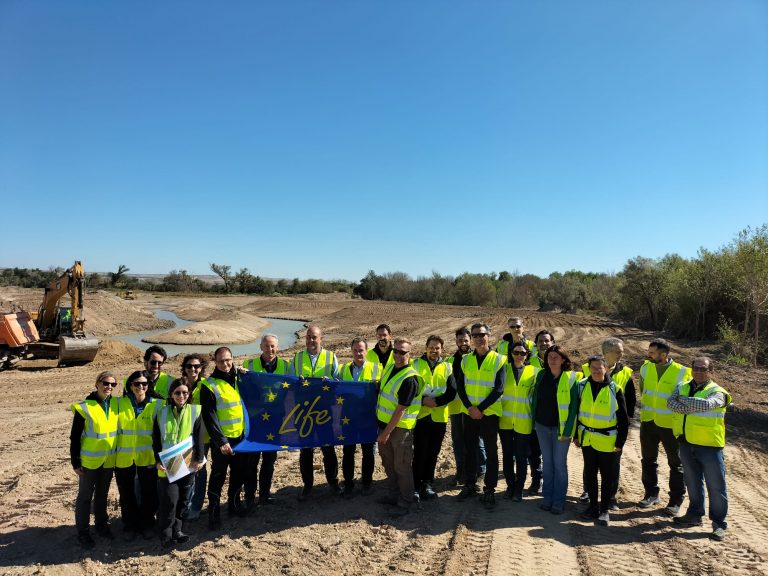
In zone 1 of the project (Alfaro, La Rioja – Castejón, Navarra) some of the crucial actions for the recovery of the fluvial space have been completed, in the area where nature-based solutions and the recovery of meanders have been implemented, and other pending interventions have also started.
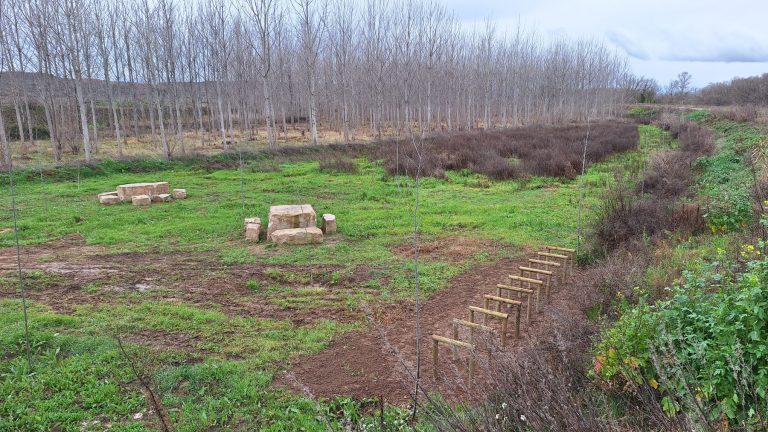
This is in addition to the end of the development of a cycling rest area in the meander of La Roza, with stone furniture and poplar and elm trees resistant to grafiosis, as well as a panel on traditional uses in the environment. This is an action in the plot that was released for public use and was defined through a participatory process in the territory.
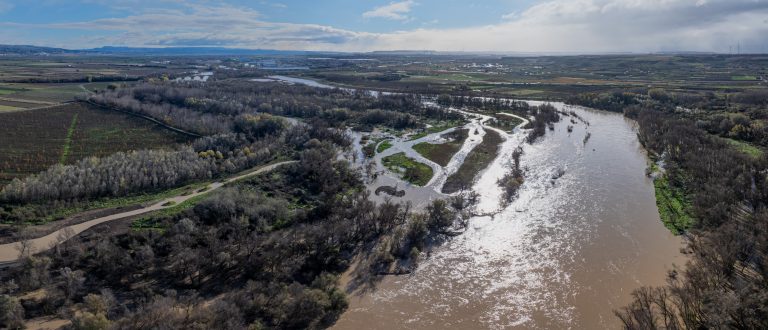
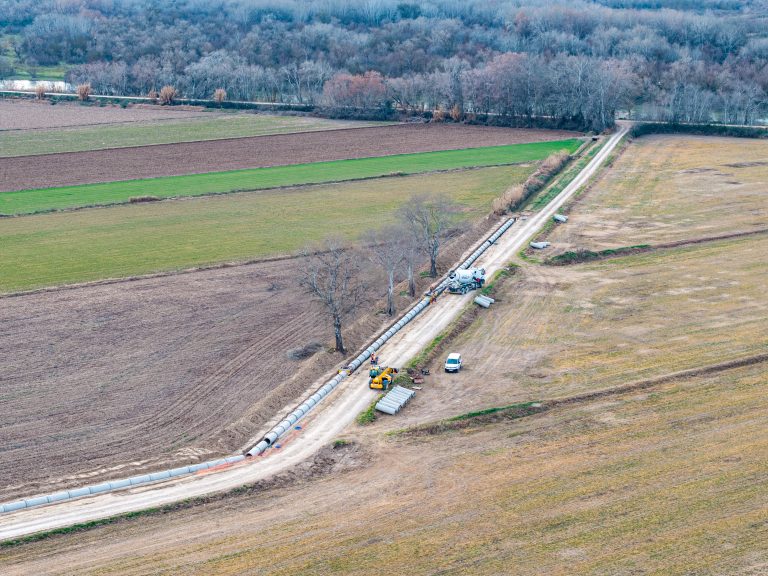
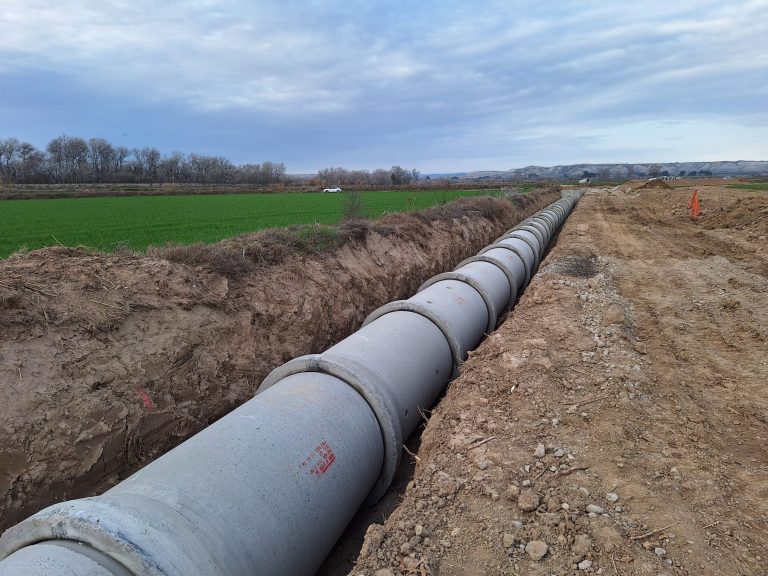
In zone 2 (Osera de Ebro – Fuentes de Ebro section, in Zaragoza), milestones have already been achieved focused on the adaptation of agricultural areas to coexist with the inevitable floods.
In summary, 2025 has marked a turning point where the project’s actions, designed under the paradigm of adaptation and river conservation, have moved from planning to reality, generating confidence and arousing the interest of both the European Commission and the riparian population.
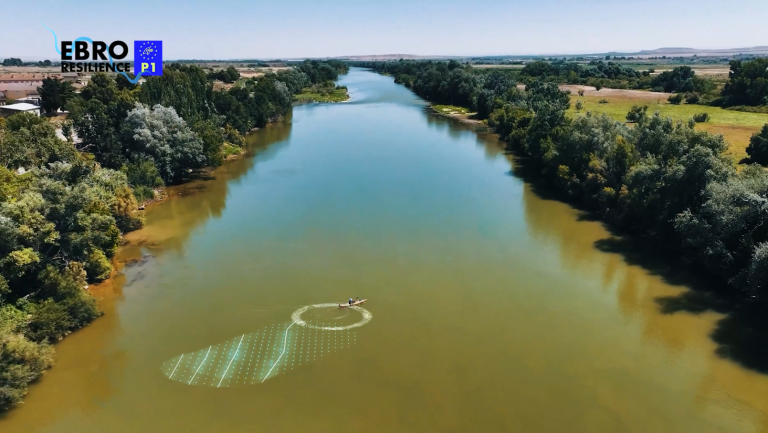
As the next milestone, the bathymetry carried out in the middle reach, by making it possible to compare the bed relief before and after the 2021 and 2024 floods, consolidate this approach by providing a rigorous and objective tool for future decision making.
Recognitions that Boost Confidence
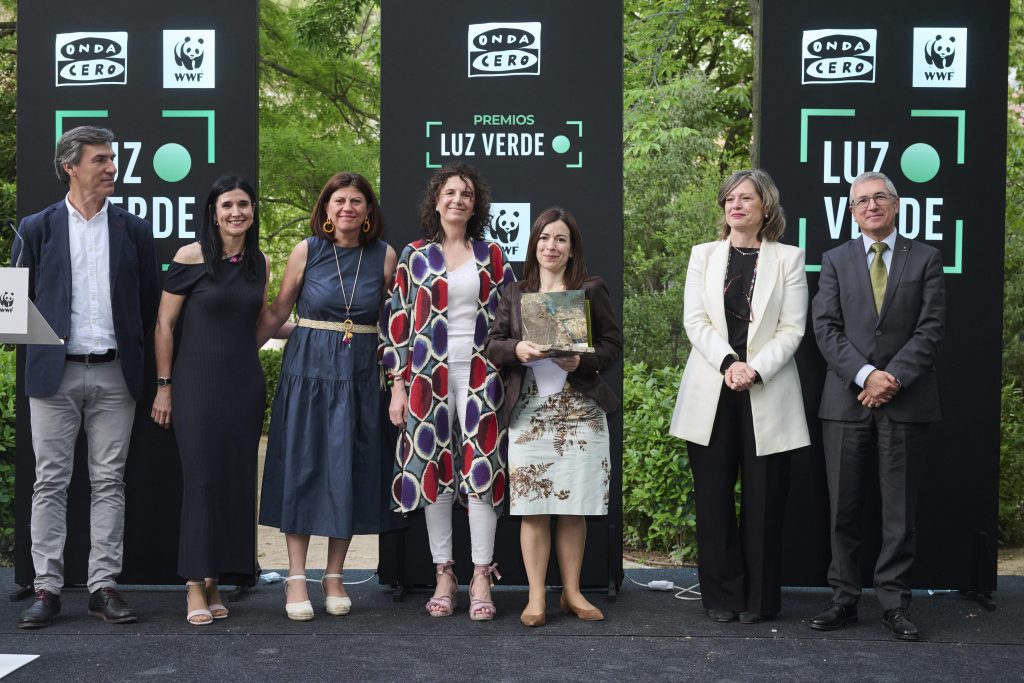
The year 2025 has been crucial for the external validation of the LIFE Ebro Resilience P model. The Ebro Resilience Strategy and the LIFE Ebro Resilience P1 Project were awarded with the GREEN LIGHT Award in its category WATERan initiative of Onda Cero and WWF. This recognition highlighted the new approach to flood risk management based on natural measures, the reduction of conservation costs, the coordination between administrations and the strong commitment to public participation.
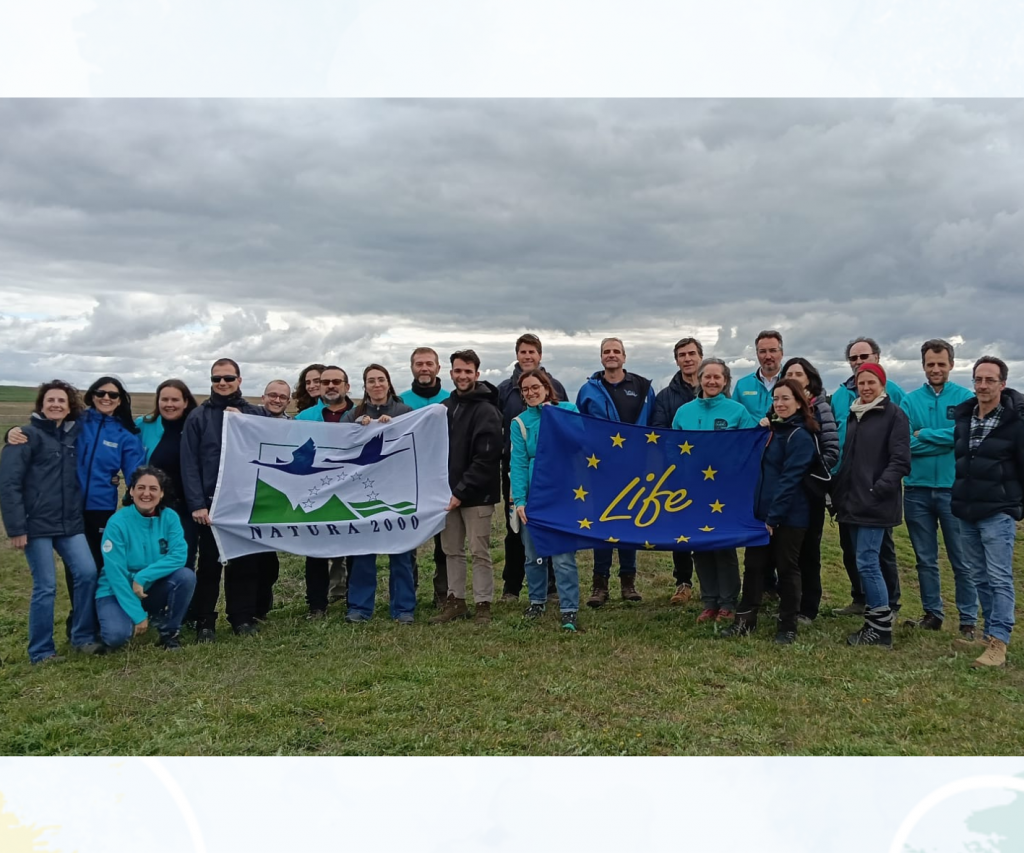
In addition, the project was highlighted as a reference for the LIFE Program after the visit of the representative of CINEA (European Climate, Infrastructure and Environment Agency of the European Commission), Federico de Filippi, in October. De Filippi checked the progress and highlighted the institutional coordination and innovation of the AFLAs, which are being replicated in other basins.
And the project was included in the catalog of Nature-Based Solutions (NBS) in Spain, highlighting six intervention typologies, such as the recessing of motes, the reconnection of watercourses and the LFZs, which underlines its role in climate change adaptation.
The LIFE Ebro Resilience P1 Project (LIFE20 ENV/ES/00327) is an innovative proposal aimed at enabling the population and economic activities to coexist with the inevitable floods of the Ebro, without causing significant damage. With an intervention period of six years (2021-2027) and a total budget of 13,310,350 €, the project has a strong European funding of 55% through the European Union’s LIFE financial instrument.
The scope of action covers the middle stretch of the river, from Logroño to La Zaida, involving three autonomous communities: La Rioja, Navarra and Aragón. The success of the project lies in the administrative coordination and institutional cooperation between its partners: the Ministry for Ecological Transition and the Demographic Challenge (MITECO), the Ebro Hydrographic Confederation (CHE), and the autonomous governments of La Rioja, Navarra (through OREKAN, Environmental Management of Navarra) and Aragon (together with the Aragonese Water Institute).
Participation as a transversal axis
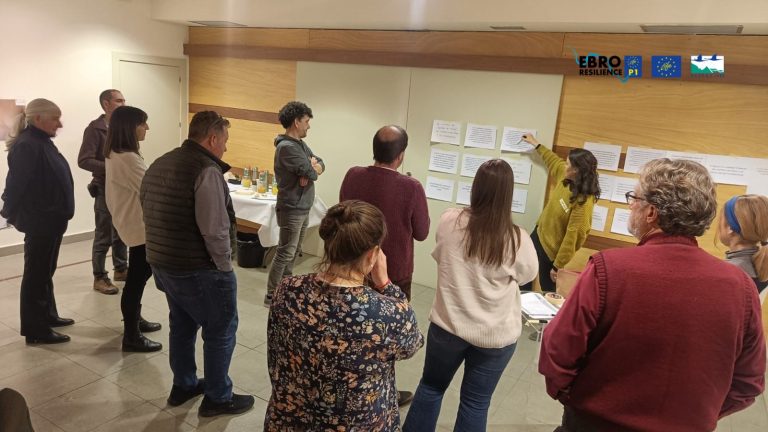
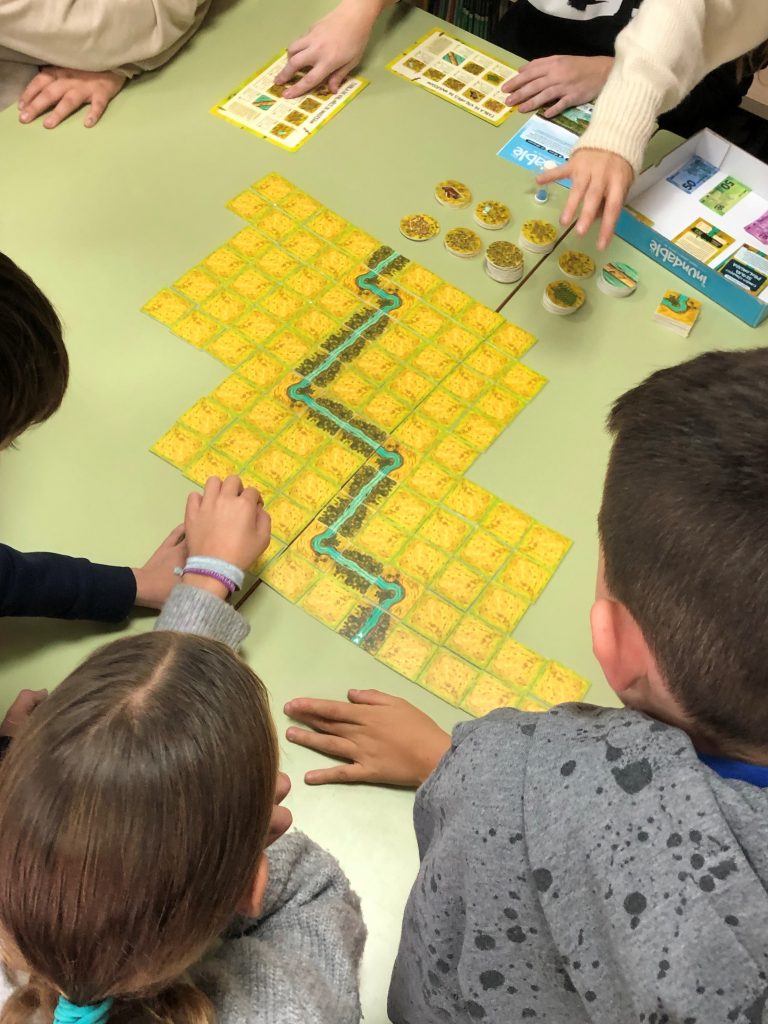
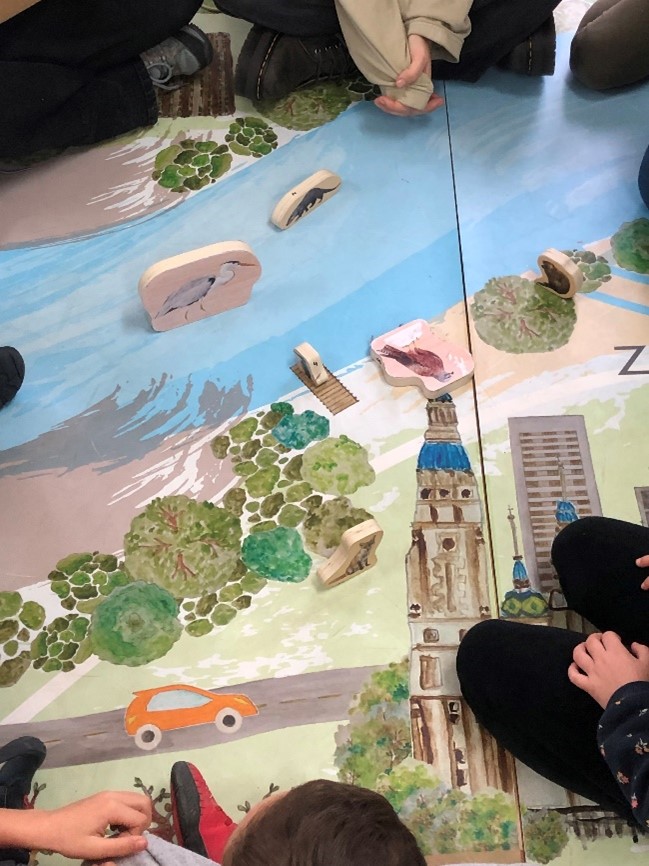
The involvement of the population is an inseparable part of risk management. During 2025, the project has intensified its Social Capacity Building Plan, seeking to improve the resilience and self-protection of the riparian population.
Dissemination and outreach
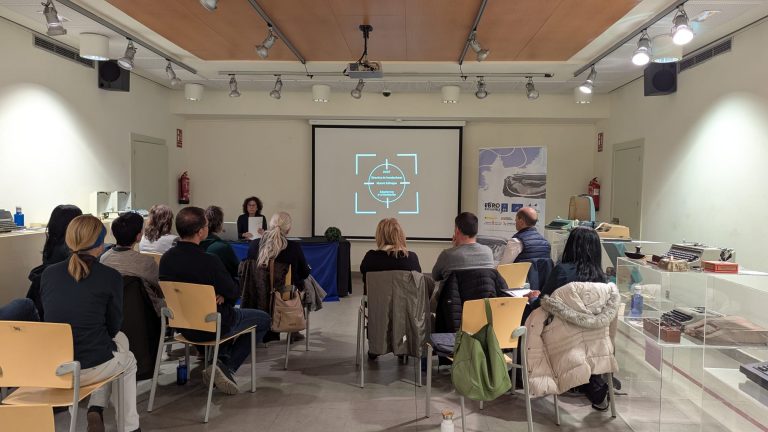
In 2025, the Project’s technicians have committed themselves to an intense activity of dissemination of the flood risk management model based on natural solutions, participating in important national and international forums.
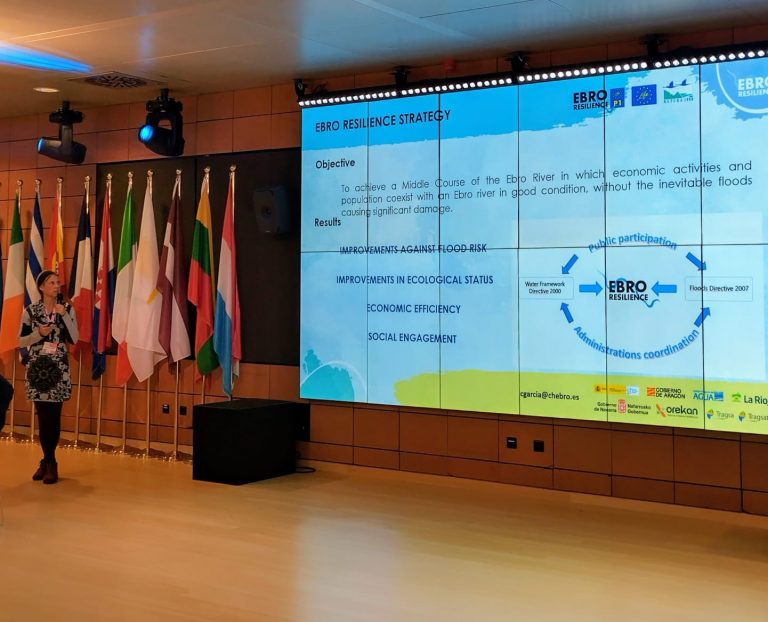
At the European level, the project was invited to Brussels to present at several relevant events: the LIFE Platform meeting organized by CINEA on October 14, where the implementation of the “Water Resilience Strategy – LIFE Strategic Integrated Projects implementing River Basin Management Plan practices” was discussed, and a participatory laboratory at the European Week of Regions and Cities on October 15, entitled “Water Resilience meets bottom-up innovative solutions”. These events confirm the project’s role as a benchmark for the LIFE Program in flood management.
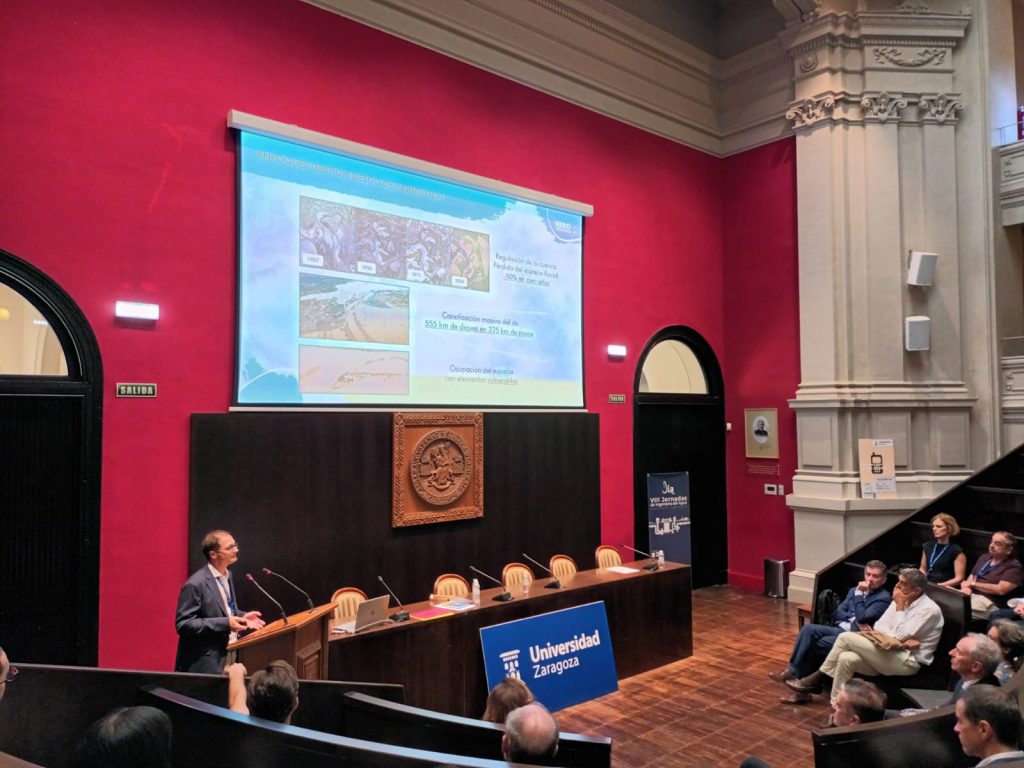
At the national level, the Ebro Resilience Strategy and the LIFE P1 Project were the focus of one of the main sessions of the Water Engineering Conference (JIA), held in Zaragoza from 21 to 24 October, and was presented as a case study at the XI AEIP-EFIB Congress on Landscape Bioengineering in Vall de Núria (Girona) in October, as well as at the summer course “Flood risk: Perspectives from flood management and land use planning” at the Menéndez Pelayo University (UIMP) in June.
In addition, we participated in a networking meeting with the LIFE IP RBMP Duero in March, which allowed us to analyze river restoration solutions and exchange experiences and knowledge.
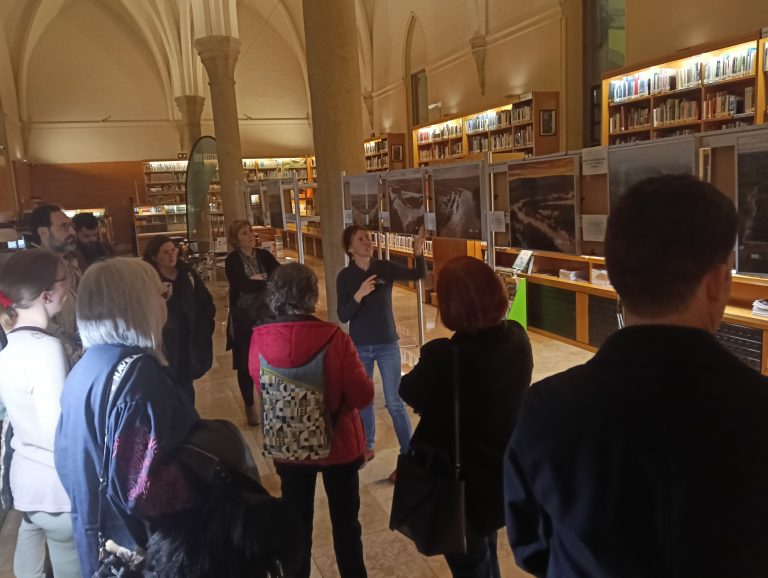
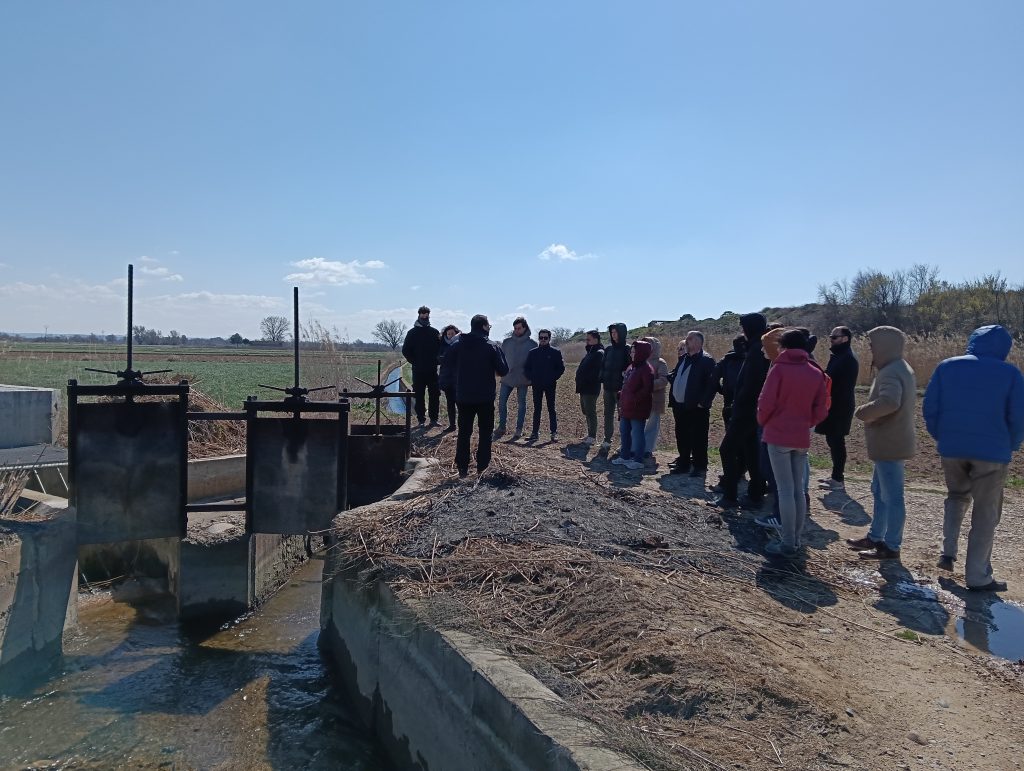
In addition to its presence in congresses and courses, the Project has been the object of technical and professional visits and actions with specific key sectors, demonstrating the interest in its innovative actions, the Association of Technical Engineers of Public Works (CITOP), environmental educators from La Rioja and Aragon, Aragonese journalists, journalism students from the University of San Jorge in Zaragoza, the Colombia-Peru delegation of the Hydro-social Territories program or the delegation of the Somos Río Lempa Project from El Salvador.
The Project has given a crucial value to outreach, communication and audiovisual production to achieve the involvement of the population and the strengthening of social capacities, a central element to improve social resilience to floods and the self-protection of the riverside population.
From the beginning, the project has been supported by an important audiovisual production to reach all audiences, encourage participation and generate greater social awareness of the floods. An example of this is the video that shows the morphological adaptation of the La Roza meander one year after the intervention, explaining the solutions based on the of the intervention, explaining the nature-based solutions applied to mitigate the risk.
In addition, the audiovisual presentation Adaptation is possible: real solutions to unavoidable floods in the Osera de Ebro-Fuentes de Ebro section to report to society on the progress and the real situation of the actions in the territory, such as the recessing of motes and the Lateral Flow Buffer Zones (LFZ): the one dedicated to the study of the bed of the middle stretch of the Ebro through the second general bathymetry campaign the one dedicated to the children public Rivers and floods, and those that tell the story of the work carried out in the Soto de Alfaro. Recovery of river branches y Restoration through participation.